3D printing is the most practical and economical way of mass
prototype production. But creating a 3D model is not really as easy and simple as
everyone expects it to be. You don't only need to learn how to use the
cad program but you also have to learn how to design a working model.
You also need to learn how to fix models by yourself to be able produce a
satisfactory resoult. It really takes a lot of time and skill and
trials to create a working
cad model.
There are many 3D model libraries in the Internet that you can
download for free. However, most of the
cad models are either not moderated
or incomplete and will not be able to produce satisfactory results.
Moreover, you can’t really be sure that a downloaded model will work
in tune with your 3D printing solution. Most 3D printing technology in
the market requires a certain design technique for it to deliver good
results. This is also why 9 times out of 10, a single model will not
create a quality part of a different 3D printer.
Additive manufacturing or 3D Printing improved tremendously on
reduction of material costs this year. But printing expenses are only a small drop in ocean of problems . Many 3D printers today are limited to
material of choice which is plastic like
ABS (Acrylonitrile Butadiene
Styrene) and
PLA (Polylactic Acid) to create products as needed. Such
materials work just fine for small prototypes with no working parts.
However, they are still too far weak to be employed to create working common
household products. They can’t take a lot of pressure making the product to break apart completely.
3D prints are also in additional to that, different 3D printing
technologies are using proprietary consumables which only works for a specific
3D printer. You still have to purchase a specific material for it to work in
tune with your equipment. It is rather annoying but unfortunately, we
can’t do anything about it until 3D Printing Companies decide to
standardize the materials.
And lastly there many 3D printer types available in the market. Each type of
printer has its own pluses and minuses. The main consumer-level 3D
printers are the
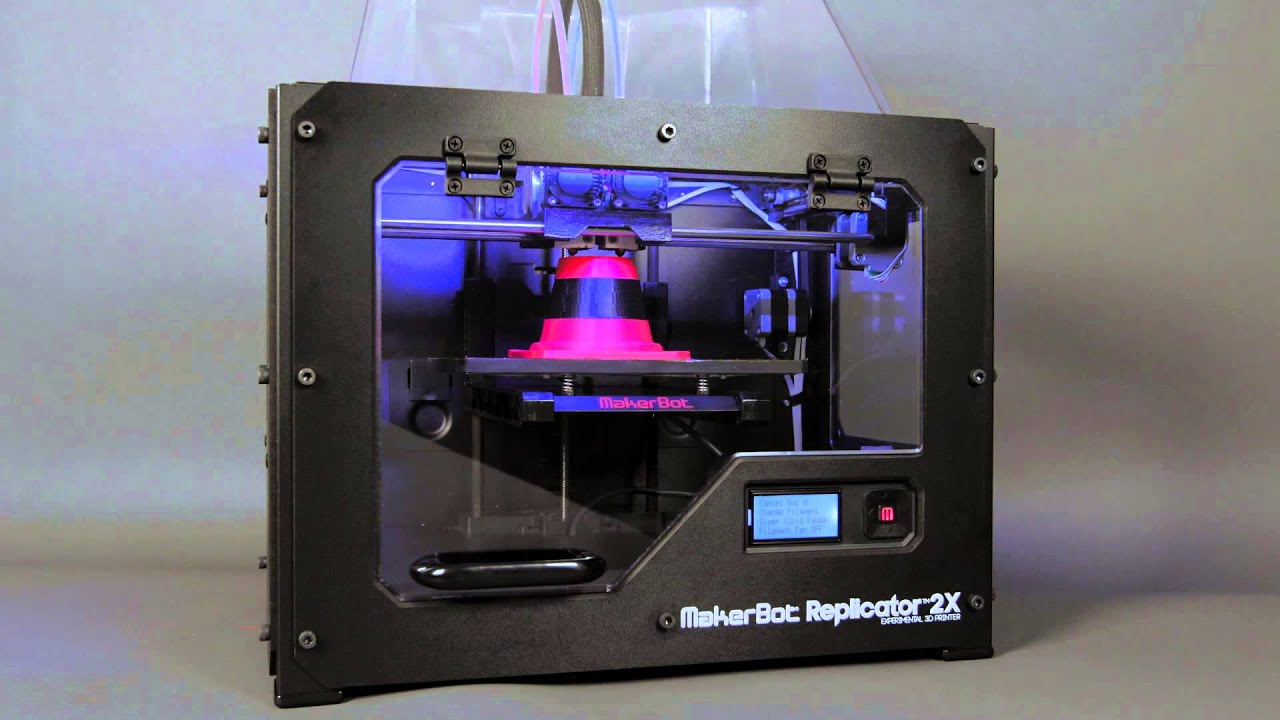
FDMs. These kind of 3D printers extrudes
ABS or
PLY
plastic in a relatively safe container and the materials cools down
pretty quickly to assume a shape,form or model. The print outputs are safe to touch right from a machine while leaving little mess.
That however, is not the same for many other types of 3D printers.
For example, 3D printing solutions that use Resins as the main
consumable can produce more detailed products. But they are much
more expensive to run and they are messy. Powder-based printers
are the most dangerous types and messy and is literally
explosive-bomb. Another 3D printing solution either operate at high
temperatures, produce horrible parts or leave an intolerable amount of
unrecoverable waste.